 IGBC Green Mass Rapid Transit System (MRTS) Rating
The rating has taken a very holistic approach to sustainability. It has addressed site environment management, integration of MRTS with other modes of transport, indoor environment & comfort and resource efficiency.
Some of the key aspects addressed in IGBC MRTS Rating include:
Site Environment Management – Aims to minimise negative impacts of construction activities on surroundings.
Integration with other Modes of Transport – Encourages integration of MRTS network with other modes of transport thereby improving connectivity.
Intermodal Commuter Transport – Facilitates accessibility to station, thereby improving the first and the last mile connectivity.
Rain Water Harvesting, Station & Viaduct – Encourages effective rain water management, thereby enhancing ground water table.
Water Monitoring – Encourage continuous monitoring to improve water performance of the station, thereby reducing the usage of potable water.
Minimum Energy Efficiency, Traction & Non-traction – Enhances energy efficiency of the project to reduce dependency on fossil fuels, thereby minimising environmental impacts.

M Anand Principal Counsellor IGBC
This can be achieved by incorporating the following,
• Regenerative Braking System in Rolling stock
– Up to 30% reduction in energy consumption
• Efficient building envelope in elevated/ At grade stations
• Use of Full height Platform Screen Doors (PSD) in underground stations
– up to 30% reduction in energy consumption
• Energy efficient lighting and HVAC equipment & systems
• Variable speed drives (VSD) for all HVAC pumps and fans
• Variable Voltage Variable Frequency (VVVF) technology for all Escalators and Elevators
• Building Management Systems.
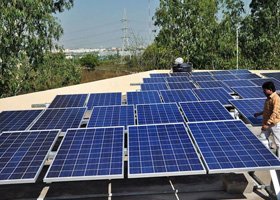
 On-site Renewable Energy – Encourage the use of on-site renewable energy systems, to minimise the environmental impacts associated with use of fossil fuels.
Green House Gas Mitigation – Facilitates reduction in Green House Gas (GHG) emissions through use of MRTS, thereby mitigating global warming.
Segregation of Waste, during Operation – Facilitates segregation of waste at source and to encourage reuse or recycling of materials, thereby avoiding waste being sent to landfills.
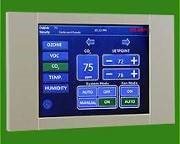
Indoor Air Quality (IAQ) Monitoring – Continuously monitor and control IAQ in the station to provide a healthy indoor environment to commuters.
Station Flush-out – Facilitates in avoiding occupants exposure to indoor airborne contaminants before occupying the premises, so as to reduce adverse health impacts.
Commuter facilities – Provides basic facilities in station to enhance commuters experience.
In a Green MRTS, the energy consumption would come down by 30-40%. Most importantly; green metros will make the travel/ transit of the passengers & occupants more memorable, enjoyable and green. This in turn would further consolidate India’s leadership position as one of the global leaders in sustainable built-environment.