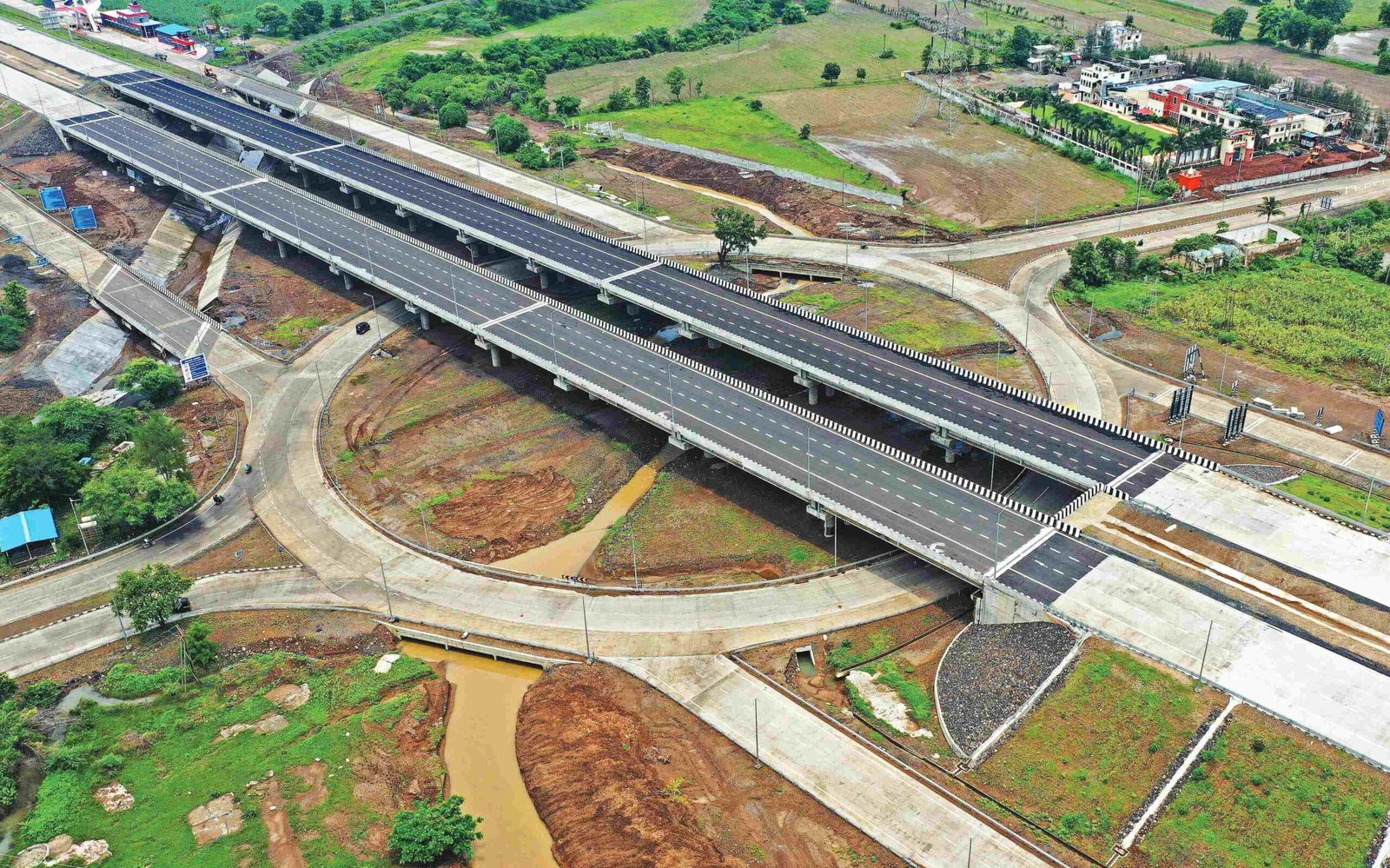
Ever since the 701 km Mumbai-Nagpur Expressway or Samruddhi Mahamarg was inaugurated and completed with a total of 1699 structures including flyovers, viaducts, major and minor bridges, tunnels and interchanges, it has been in the news for increased number of road accidents. The silver lining in this otherwise dark cloud is that the number of accidents and deaths have marginally decreased since 2024. Rajesh Patil – Joint Managing Director, Maharashtra State Road Development Corporation Limited, said intense efforts by his team and implementing the learnings from the Mumbai-Pune Expressway have contributed to this reduction.

Traveling through 10 key districts directly and 14 indirectly via feeder roads, 24 talukas, and 392 villages and reducing travel time between the cities from 12 hours to 8 hours, the expressway has been the focus of multiple study groups on the number of accidents and deaths on its roads. White papers on cause and analysis have been written and recommendations for improving road safety have been made.
Latest data from the transport department shows that crashes dropped from 63 during the first eight months of 2023 to 57 during the same period last year (9.52%), and deaths from 120 to 80 (16.67%). Driver fatigue, burst tyres and mechanical breakdowns — every aspect of motoring has been blamed for the high number of accidents. “Largely accidents take place because of over-speeding. We are trying to make arrangements so drivers do not overspeed. If the driver is going out of his lane and driving at the extreme edge, he will feel a kind of vibration which will alert him to get back into the lane. We are also advised by the NGO, SaveLIFE Foundation, who are road safety experts and guide us on traffic safety issues. Whenever an accident takes place, we do a study and try to take the corrective steps.”, said Rajesh Patil.
Accidents take place largely due to over-speeding. Nowadays, hi-tech vehicles can reach from 0 to 170 kmph in minutes and youngsters drive very aggressively because the road is straight. They have the impression they have come for a race. We tell people we have designed a road not a runway. In India ITMS is the only solution. We have already done it for Mumbai – Pune Expressway and
we are adopting the same for Samruddhi Mahamarg.”– Rajesh Patil
Studies published over the last two years have identified the main causes of accidents as highway hypnosis, tyre-burst and over-speeding. Highway hypnosis is a trance-like state that drivers experience over long, monotonous journeys on highways or uninterrupted roads. In this state, drivers may become unaware of their surroundings, lose track of time, and even forget that they are driving. It is like being in a daze, where the repetitive scenery and lack of stimulation can lead to decreased attention and alertness, increasing the risk of accidents.
Tyre burst is a dangerous safety hazard that can lead to some of the worst accidents and injuries on the road. A blowout occurs when a tyre suddenly loses air pressure, leading to rapid deflation of the tyre. This can happen due to various reasons such as overloading, under inflation, excessive wear and tear, or hitting an object on the road. When a tyre bursts, it can cause the vehicle to lose control, potentially resulting in a dangerous situation or even an accident.
Speeding stands out as the primary cause of accidents on the Samruddhi Mahamarg, according to research findings. Despite the designated speed limit being set at 120 kmph, vehicles frequently surpass this threshold, hurtling along at 170 kmph. Compounding the issue is the absence of speed breakers which removes any deterrent for drivers predisposed to exceeding speed limits.
However, other factors also contribute to accidents on this highway, including animal crossings, vehicle overloading, and the quality of vehicles themselves. These combined factors create a hazardous environment for drivers, underscoring the need for comprehensive measures to enhance safety on the Samruddhi highway, according to the studies.
“As far as road safety measures are concerned, we have addressed all mechanical factors,” stated Rajesh Patil. “Only psychological factors remain. Drivers must realise that the moment you travel above 120 kmph, there is loss of control. Our brain perceives, analyses and responds. The time taken to perceive, analyse and respond remains the same, in fractions of seconds. But vehicle technology has improved immensely and it can do miraculous things in fractions of seconds, including over-speeding, to which the brain cannot respond on time resulting in loss of control of the vehicle. We have technology, but how to use it smartly is in our hands.
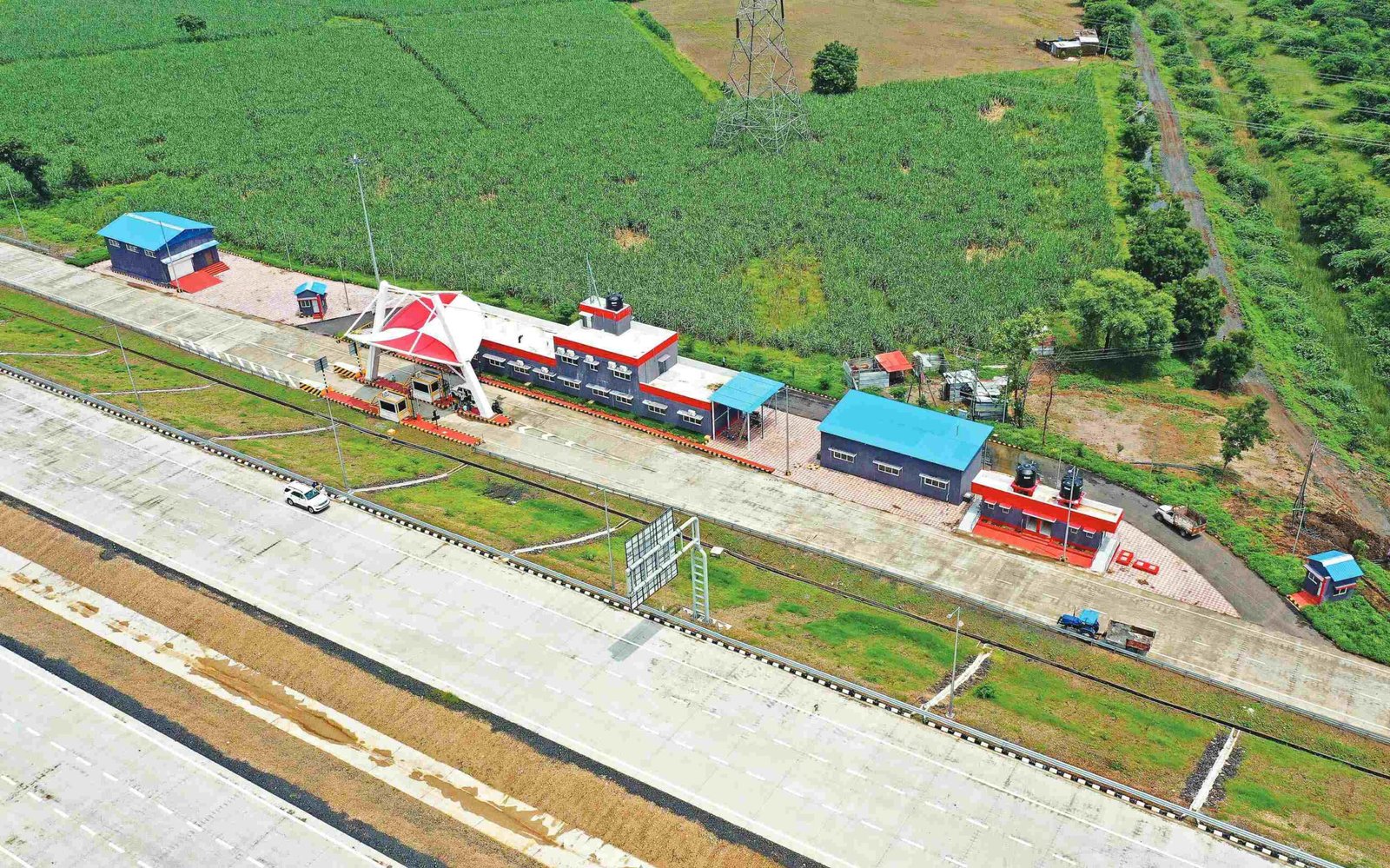
“Tyre bursts have reduced now. By and large vehicle plyers have also understood that if they have to travel 700 kms they should have good tyres. Road crossing has been taken care of as in most places we have constructed boundary walls. These are very rare instances. There are settlements along the Mahamarg but such cases are in isolation.”
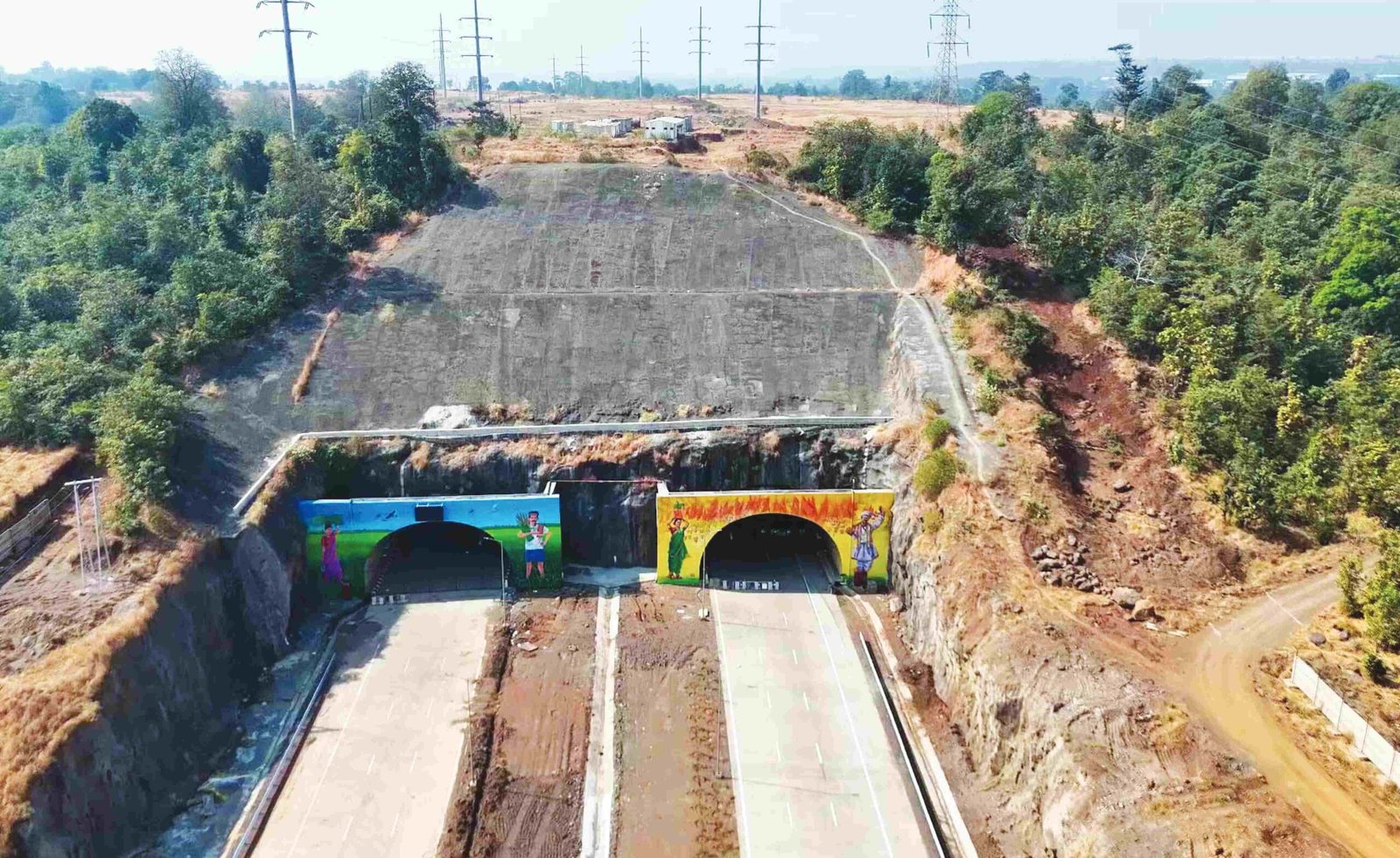
Patil said that there have been a lot of learning from the Mumbai-Pune expressway. How and why accidents take place and how one can apply this knowledge? Key takeaways include installation of safety and crash barriers, sign boards wherever possible, information on speed reduction and developing wayside amenities which offer a break for drivers. The route on Kasara ghat, which has a challenging terrain, has been straightened and electrified with 40 lux lighting enabling visibility through mist and fog. In order to break the monotony during the long drive, MSRDC has done paintings in tunnels and is working on road-side beautification. This has also reduced accidents significantly.
“Our analysis of the Mumbai-Pune Expressway data also shows that accidents occur at a particular location and those kilometres are classified as high-fatality zones. We have identified such zones on the Mahamarg too. The data follows Pareto’s principle of 80% accidents occurring in 20% of the locations. We can thus focus only on that 20%. That also has helped us enormously in reducing accidents. In spite of a number of controls being put in place, drivers continue to over-speed. Implementing ITMS to fine them is the only solution.
“Managing 700 kms is not an easy task. Four hundred plus cameras are being installed in the Mahamarg. They will detect speed, lane violation and do surveillance work too. It is very important to follow speed limits. I have travelled over 2000 kms by road in the USA to understand how their system works. Accidents take place there too but because people follow the speed limit, there are no casualties – only the vehicle gets damaged.”
Road accident trauma care has also improved. An ambulance and QRV (Quick Response Vehicle) will reach any accident spot within 12-15 minutes and take the victim to the nearest hospital, which is presently 30 to 60 minutes away. We will try to reduce the gap by having tie-ups with more hospitals.
“A road is basically an artery, it connects everything. Production facilities need to have good transportation facilities and a communication network. The strength of the Samruddhi Mahamarg is that it connects the Eastern to Northern Maharashtra. It facilitates movement. In the same vein, the Mumbai – Vadodara highway will become operational in the next two or three years. From Nagpur one can straightway go to JNPT port. We are trying to connect Samruddhi Mahamarg to Vadhvan port in Palghar too. We are also constructing 18 townships around the Mahamarg on land pooling basis where land owners voluntarily give their land for us to develop based on deferred payment. We are working on various models to develop townships around highways.”
With increased focus on road safety, greater dependance on ITMS tools and increased maturity in road users, the vision of developing the Samruddhi Corridor to accelerate further development in trade, business and industrialization in Nashik, Aurangabad, and Nagpur, and other such neighbouring districts will hopefully be met in the near future.