

Established in 1995, Avantech Engineering Consortium Pvt Ltd has been providing innovative technologies to promote and support the construction industry and civil engineering profession in India. Parampreet Singh, Managing Director, talks to TrafficInfratech on his company’s efforts to improve road safety in India.
How far do you think we have progressed on improving safety on Indian roads?
There is a huge need to adopt crash tested performance-based road restraint systems (crash barrier, end terminals, impact attenuators, TMAs etc) and there has been some effort on the part of the Ministry, NHAI and IRC to adopt crash tested systems. But as a nation, we are still far from adopting road restraint systems that are purely based on performance-based specifications, which is a norm in most countries now. Performance-based systems allow manufacturers to constantly innovate products and improve safety and still be most economical, a win-win for all.
Avantech is into a range of products for road safety especially on the highways – from normal metal crash barriers and end terminals to truck mounted attenuators…
As I said in my previous answer, performance-based road restraint systems allow constant innovation and improvement in safety. It allows manufacturers to design systems that are better than what is available in market. There are several innovations that we have introduced to the Indian market in the recent past. Some of these include:
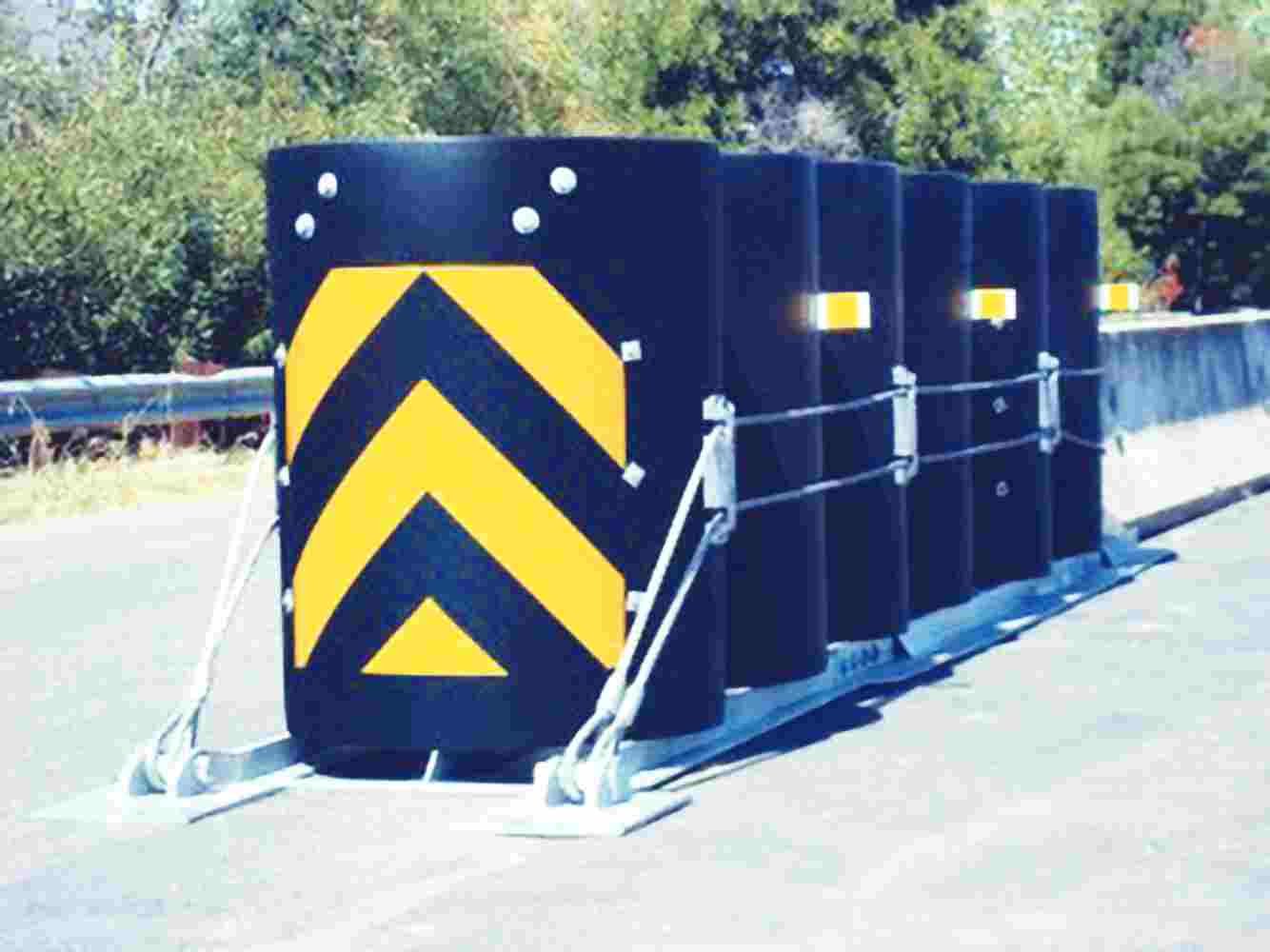
Our L1Neo W beam barrier now offers H1 containment with W3 working width while being most competitively priced crash barrier in the market. Our motorcycle protection systems can be installed in sections of roads prone to skidding accidents by two wheelers. The Self Restoring Impact Attenuators can take multiple impact without requiring human intervention, repairs or replacement. This is a huge improvement over conventional impact attenuators that get damaged with every impact and either need extensive repairs or replacement.
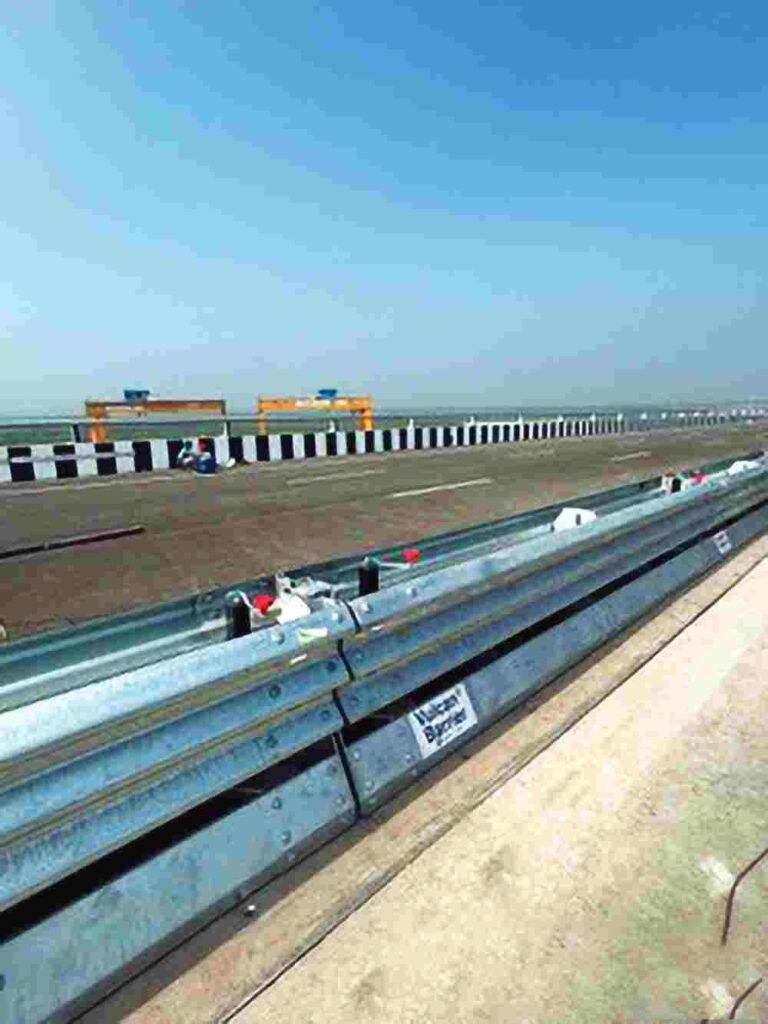
Another new product we have is the Vulcan Gate, a high containment, easily movable steel barrier for concrete medians and is used to create an opening in the median to allow traffic to be diverted from one side to the other in case of emergency situations. Several Vulcan Gate barriers are doing duty on Atal Setu in Mumbai.
This is just the beginning, as the Indian market matures, we will keep on introducing more innovations in the road restraint systems to make our roads safer.
What are the emerging trends in road accidents, costs, profile of states, and rural v/s urban driving environments to be considered while designing roads?
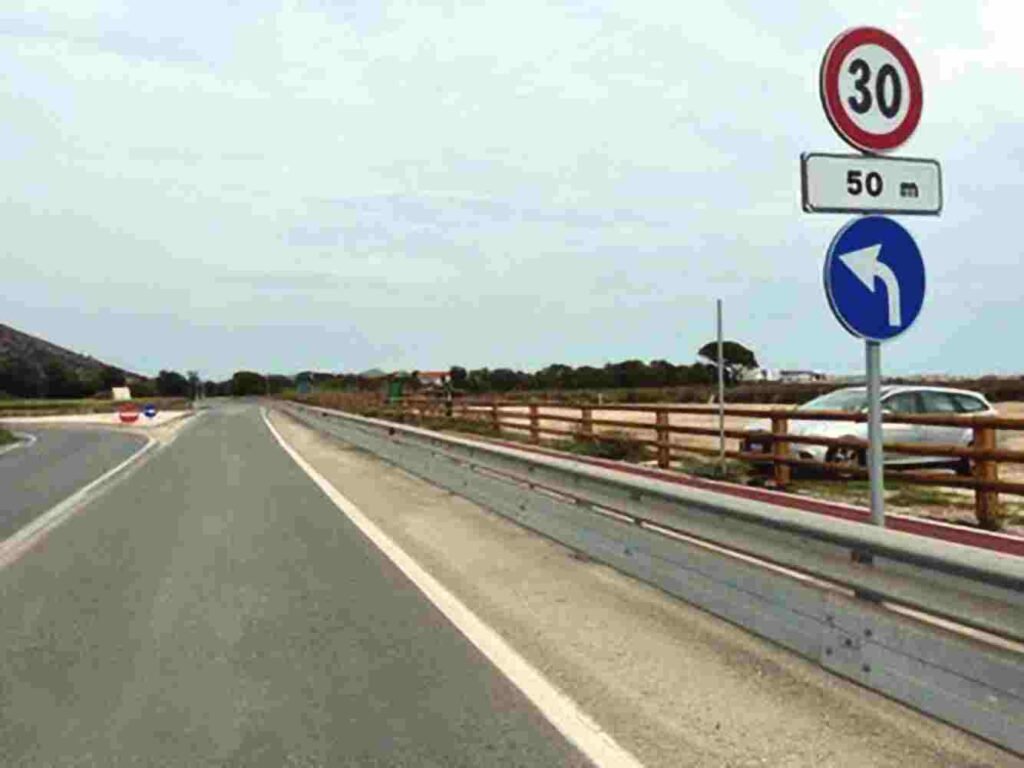
As the nation builds new expressways and highways, our average speeds are increasing and road designers must take into account the safety of vehicles at high speeds. The roads should have as few gore areas as possible and where it is not possible to avoid gore areas, these must be protected with properly designed and tested impact attenuators that fully cover the gore area. Crash barriers with suitable containment level and working widths must be part of the road design. Crash barrier ends need to be protected with tested end terminals.
Last but not the least, a steady stream of maintenance funds must be available for timely and effective repair of road restraint systems. Only a properly functioning road restraint system (RRS) can offer safety. We carry a wide range of RRS suitable for all types of roads and conforming to requirements of IRC manuals for 2 Lane, 4 lane, 6 lane highways to expressways.
How challenging is it to align with IRC and other standards?
We have been up to speed in meeting all the requirements and directives of IRC and MoRTH, updated from time to time. We do appreciate that moving away from the conventional material specification based RRS systems to purely performance based RRS systems is challenging, especially considering that engineer on ground is not up to date with latest requirements of the standards and highway contracts. Full adoption of purely performance-based RRS systems is challenging. The IRC standards are also being updated and accepting performance-based specifications. We are confident that these are teething problems that will be overcome over next few years.
New offerings at Trafficinfratech Expo in Delhi
We will be focusing on Self Restoring Impact Attenuators, Motor Cycle Protection Systems, TMA and Bridge Parapets. We are also very excited to share our latest L1Neo barrier range.