Championing a comprehensive, long-term approach to road safety with the stated objective of transforming infrastructure, changing driver behaviour, bolstering regulations and strengthening trauma care, SaveLIFE Foundation and its partners at the national and regional levels have adopted a data-driven and evidence-based approach to resolving issues on accident-prone roadways in the country, dramatically reducing fatalities and making them safer for users.
Case in point is the six-lane Mumbai-Pune Expressway, listed as one of the ten most dangerous and risky roads in India, connecting Mumbai and Pune in Maharashtra. From 2011 to 2015, there have been 941 recorded road crashes on the expressway which resulted in 641 fatalities and 1,098 injuries (926 serious and 172 minor). Between 2011 and 2014 the number of road crash fatalities increased by 20%. With the stretch recording roughly three deaths every two kilometres, compared to the 2016 national average of one death per two km, the expressway earned the dubious distinction of being one of the deadliest in the country.
The ‘Zero Fatality Corridor’ project was launched with a mission to drastically cut road deaths on the expressway. A joint initiative by SaveLIFE Foundation, Maharashtra State Road Development Corporation (MSRDC), Maharashtra Highway Police (HSP) and Maharashtra Motor Vehicle department which led to a 58.3% reduction in road crash fatalities since 2016 and 32% since 2022.
The objective of the project was to make the Mumbai-Pune Expressway a model highway for road safety by reducing the number of road crash fatalities from an annual average of 135 to zero. A combination of measures ranging from improved road engineering to technology-driven traffic enforcement to optimised trauma response formed the basis of the model.

Piyush Tewari, Founder, SaveLife Foundation, elaborated on the model. “Since there are multiple entities who take care of the disparate aspects of road safety, we strive to build an effective coalition which works individually, collectively and collaboratively to reduce fatalities on the adopted stretch of road. We use existing government road crash data as evidence to target the most crash-prone zones. We visit these roads, conduct forensic crash investigations (that we now train police officials to do) and complete audits to diagnose the core safety issues. Basis our findings, we recommend a mix of interventions basis the “4 Es of Road Safety”, namely Engineering, Enforcement, Emergency Care, and Education. We then work with government partners to ensure coordinated implementation, management and institutionalization of the “Four E’s” to bring about a reduction in fatal road crashes, bringing preventable road crash fatalities down to Zero. We measure the outcome of the solution, the best impact indicator being reduction in road crash deaths on the target road. We constantly seek to improve the solution and institutionalise the learnings into best practices to replicate the approach at scale.”
We are currently working with 16 state governments on improving road safety. We are also working with GoI on the National Ambulance Code. We need to institutionalise what works and also for lead agencies to be made accountable for their role in road safety. Ownership needs to be fixed.
– Piyush Tewari
The impact of the initiative is clearly visible. Prior to the start of the project the expressway recorded 151 road crash deaths in 2016. In the calendar year 2019, there was a 43% decrease as compared to the 2016 baseline. The crash severity in 2019 reduced to 25% from a corresponding high of 54% in 2016 (crash severity is defined as a ratio of fatalities against total crashes). While the average monthly vehicles plying on the MPEW increased from 3.59 million in 2016 to 4.24 Million in 2019, the average monthly fatalities per million vehicles fell from 3.50 to 1.69 in the corresponding period.
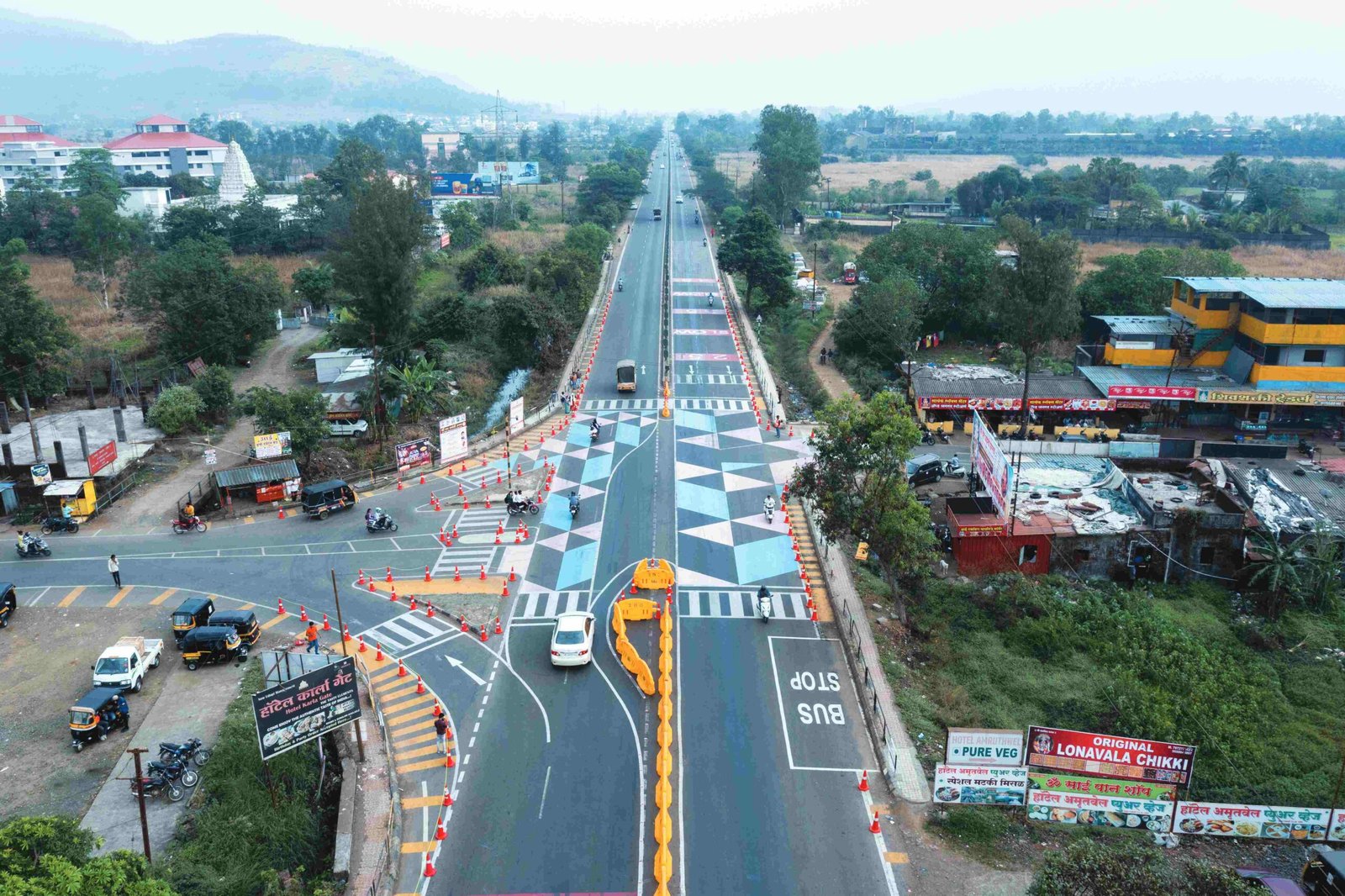
A number of interventions were undertaken in the Zero Fatality Corridor project including those related to engineering, emergency care, enforcement and engagement. As even minor engineering errors on the expressway could lead to crashes and fatalities, a list of 2,145 issues were identified through a detailed audit and categorized into 15 subcategories. Counter-measures were recommended at these identified spots on the expressway to prevent future crashes.
MSRDC and a private company provided the requisite funds and resources for implementation of the counter-measures. Regular monthly audits of the road safety infrastructure were carried out by the engineering team of the foundation to monitor and evaluate the progress on various issues, over and above the regular audit by MSRDC. Repair and replacements are regularly followed up so that risk factors could be minimised to the extent possible.
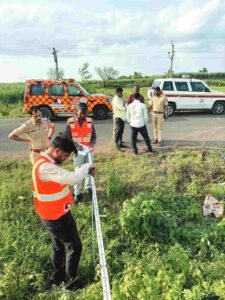
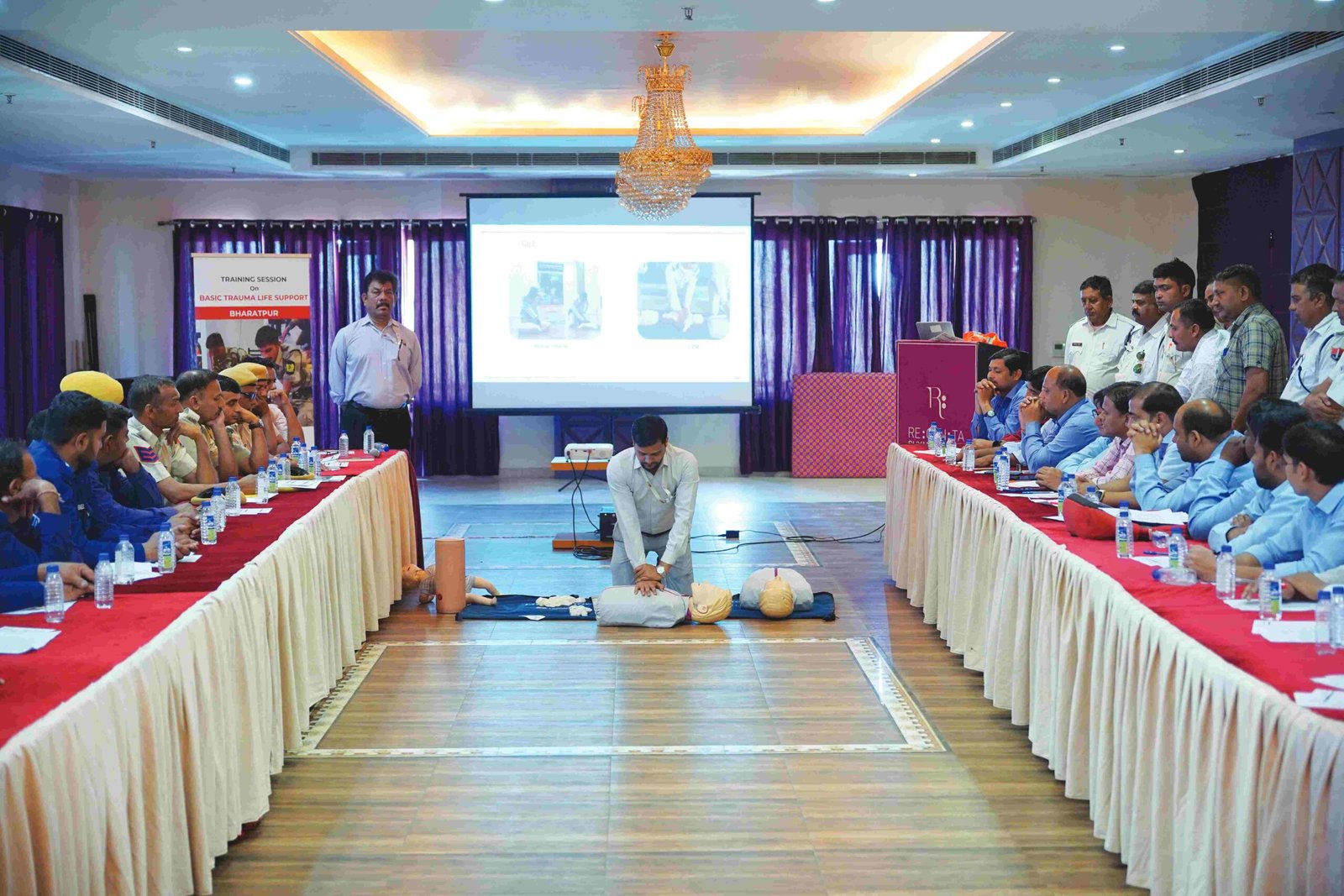
Building a “Chain of Survival” by improving the quality and speed of emergency care at each stage of the victim’s journey was an important objective of the project. Five 108 Ambulances were placed on the Expressway for effective trauma response. Interventions included analysis of emergency response records on the expressway, demonstration of the emergency care protocols and emergency care audits were undertaken leading to improved accountability, reduced response times and better protocols.
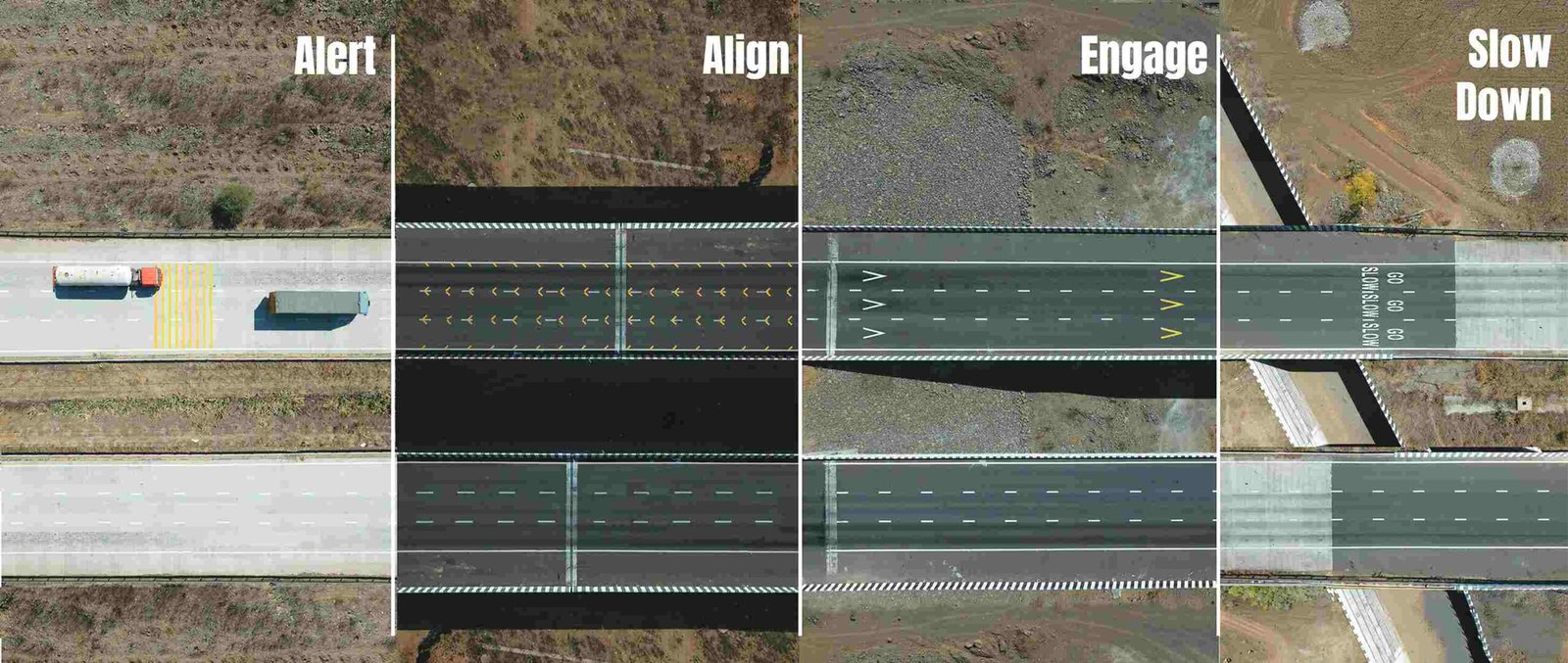
Strengthening enforcement using technology and proven best practices was at the heart of the project with the objective being to influence road user behaviour and make them avoid risk-prone behaviour such as speeding, lane cutting, not wearing a seatbelt, driving in the wrong lane and wrong side driving.
“All crashes on the expressway were investigated and a thorough analysis of data collected through these investigations assisted us to recommend a correct strategy for enforcement. Enhanced patrolling over specific zones, use of speed traps, special warning signages and violation deterrence devices were introduced. The Highway Safety Police also have interceptors for capturing violations related to over speeding and enforcement in these critical regions has been enhanced,” said Tewari.
As part of education, the foundation conducted surveys on the expressway to understand knowledge, attitude and perception of commuters with regards to road safety. Regular radio and social media campaigns were also held to focus awareness on key causes of crashes and injuries.
The foundation has also worked to introduce policy changes and bring amendments to the Good Samaritan Law 2019, Motor Vehicle (Amendment) Act 2019, Protection of Good Samaritans and Medical Professionals Act, 2018 (Karnataka), Road Safety Amendments through Jan Vishwas Act, 2023.