


Page 44 - TrafficInfraTech Magazine - July Digital Edition
P. 44
INTERVIEW


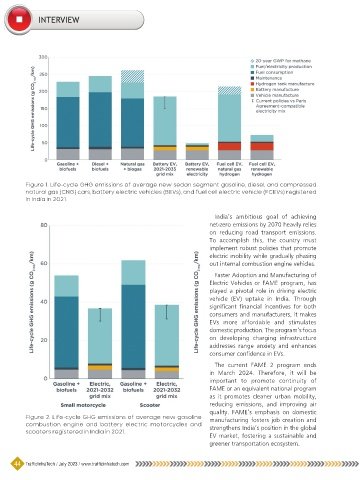
          Figure 1. Life-cycle GHG emissions of average new sedan segment gasoline, diesel, and compressed
          natural gas (CNG) cars, battery electric vehicles (BEVs), and fuel cell electric vehicle (FCEVs) registered
          in India in 2021.


                                                                        India’s ambitious goal of achieving
                                                                      net-zero emissions by 2070 heavily relies
                                                                      on reducing road transport emissions.
                                                                      To accomplish this, the country must
                                                                      implement robust policies that promote
                                                                      electric mobility while gradually phasing
                                                                      out internal combustion engine vehicles.
                                                                        Faster Adoption and Manufacturing of
                                                                      Electric Vehicles or FAME program, has
                                                                      played a pivotal role in driving electric
                                                                      vehicle (EV) uptake in India. Through
                                                                      significant financial incentives for both
                                                                      consumers and manufacturers, it makes
                                                                      EVs more affordable and stimulates
                                                                      domestic production. The program’s focus
                                                                      on developing charging infrastructure
                                                                      addresses range anxiety and enhances
                                                                      consumer confidence in EVs.
                                                                        The current FAME 2 program ends
                                                                      in March 2024. Therefore, it will be
                                                                      important to promote continuity of
                                                                      FAME or an equivalent national program
                                                                      as it promotes cleaner urban mobility,
                                                                      reducing emissions, and improving air
                                                                      quality. FAME’s emphasis on domestic
          Figure 2. Life-cycle GHG emissions of average new gasoline   manufacturing fosters job creation and
          combustion engine and battery electric motorcycles and      strengthens India’s position in the global
          scooters registered in India in 2021.
                                                                      EV market, fostering a sustainable and
                                                                      greener transportation ecosystem.


      44  TrafficInfraTech / July 2023 / www.trafficinfratech-com-500653.hostingersite.com

